
Stress management is an essential skill in today’s fast-paced world, where the pressures of life can often feel overwhelming. This exploration unveils the intricate dance between our mind and body when faced with stress, offering insights that are both enlightening and practical. From understanding how stress manifests physically and psychologically to recognizing the common triggers that invade our daily routines, we will uncover the layers that constitute the stress experience.
Equipped with various techniques for managing stress, including relaxation practices and physical activities, readers will learn how to create a balanced life that incorporates time for self-care. Furthermore, we will delve into personalized strategies that empower individuals to take control of their stress, highlighting the significance of mindfulness and self-help resources that pave the way for a calmer existence.
Understanding Stress
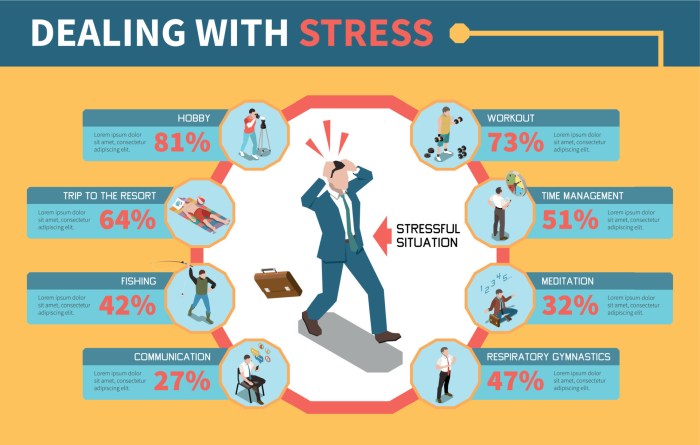
Stress is a common experience that affects everyone at some point in their lives. It arises from various demands that exceed our ability to cope, leading to both physiological and psychological changes in our bodies. Recognizing how stress manifests can help in managing it effectively, allowing individuals to navigate daily challenges with greater ease.Stress triggers a cascade of physiological responses in the body.
When faced with stress, the brain signals the adrenal glands to release hormones like adrenaline and cortisol. These hormones prepare the body for a “fight or flight” response, which includes increased heart rate, heightened alertness, and energy mobilization. Over time, persistent stress can lead to significant psychological effects, such as anxiety, depression, and a decrease in cognitive functions. Understanding these effects is crucial for developing effective coping strategies.
Physiological and Psychological Effects of Stress
The impact of stress on the body can be profound and multifaceted. Here are key effects of stress:
- Increased Heart Rate: Stress causes the heart to pump faster, which can lead to cardiovascular issues if sustained over time.
- Mood Changes: Stress can cause irritability, anxiety, and feelings of sadness, significantly affecting mental health.
- Weakened Immune Response: Chronic stress can diminish the immune system’s effectiveness, making the body more susceptible to illnesses.
- Digestive Issues: Stress can disrupt normal digestion, leading to problems like bloating, constipation, or diarrhea.
- Sleep Disturbances: Stress often affects sleep quality, leading to insomnia or restless nights.
Common Stressors in Daily Life
Identifying common stressors is essential for stress management. Various factors in daily life can contribute to heightened stress levels, including:
- Work Pressure: Deadlines, workload, and job insecurity are significant sources of stress for many individuals.
- Relationship Challenges: Conflicts with family, friends, or partners can lead to emotional strain and anxiety.
- Financial Concerns: Worries about expenses, debt, or economic instability can significantly enhance stress levels.
- Lifestyle Choices: Poor diet, lack of exercise, and insufficient sleep can compound stress and affect overall well-being.
- Major Life Changes: Events such as moving, changing jobs, or experiencing the loss of a loved one can trigger significant stress.
Differences Between Acute and Chronic Stress
Understanding the distinction between acute and chronic stress can aid in better stress management.
- Acute Stress: This type of stress is short-term and often arises from specific events or situations, such as an impending deadline or a public speaking engagement. Symptoms are usually temporary and resolve quickly.
- Chronic Stress: Unlike acute stress, chronic stress persists over an extended period, often due to ongoing issues like a stressful job or difficult relationships. This type of stress can lead to long-term health problems if not addressed.
“While acute stress can be beneficial in short bursts, chronic stress has detrimental effects on health, leading to serious conditions if left unmanaged.”
Techniques for Stress Management
Stress can often feel overwhelming, but understanding and implementing effective stress management techniques can significantly improve your well-being. By incorporating relaxation methods, engaging in physical activities, and maintaining a balanced schedule, you can create a healthier lifestyle that effectively combats stress.
Relaxation Techniques
Among the most effective ways to manage stress are relaxation techniques. Two of the most popular and beneficial methods are deep breathing and meditation.
Deep breathing helps calm the mind and body, reducing the physical symptoms of stress.
To practice deep breathing, find a quiet space, sit comfortably, and take a slow, deep breath in through your nose, allowing your abdomen to expand. Hold that breath for a moment before slowly exhaling through your mouth. Repeat this for several minutes, focusing on the rhythm of your breath.Meditation is another powerful tool for stress management. It helps to enhance mindfulness and promotes a sense of peace.
Start by sitting in a comfortable position, closing your eyes, and focusing on your breath. Allow thoughts to come and go without judgment, returning your focus to your breathing whenever your mind wanders. Just a few minutes of meditation daily can lead to a calmer mindset and reduced stress levels.
Physical Activities for Stress Relief
Incorporating physical activities into your routine can also play a pivotal role in stress reduction. Exercise releases endorphins, the body’s natural mood lifters, which can help alleviate feelings of stress.Here are some effective physical activities that can help reduce stress levels:
- Walking or Jogging: Simple yet effective, walking or jogging in a park or along a beach allows you to connect with nature while getting physical exercise.
- Yoga: This ancient practice combines physical postures, breathing exercises, and meditation, promoting relaxation and mental clarity.
- Dancing: Whether in a class or in your living room, dancing can be a fun way to express yourself and lift your mood.
- Strength Training: Engaging in weightlifting or resistance training can provide a sense of accomplishment and boost your confidence.
- Team Sports: Joining a local sports team not only keeps you active but also builds social connections that can further enhance your mood.
Creating a Balanced Schedule
A well-organized schedule that includes designated time for relaxation and self-care is essential for combating stress. It allows you to prioritize tasks while ensuring you have moments to unwind.Begin by assessing your current commitments and identifying areas where you can allocate time for relaxation. Consider implementing the following strategies to create a balanced schedule:
- Time Blocking: Allocate specific blocks of time for work tasks, relaxation, and self-care activities. This approach helps maintain structure throughout your day.
- Prioritizing Tasks: Use a priority matrix to categorize your tasks based on urgency and importance, allowing for more effective time management.
- Scheduling Breaks: Plan short breaks during your workday to step away from your tasks, recharge, and avoid burnout.
- Incorporating Leisure Activities: Set aside time each week for hobbies or activities that bring you joy, whether it’s reading, gardening, or exploring new interests.
- Setting Boundaries: Learn to say no to additional commitments that may overwhelm you, protecting your time for relaxation and self-care.
Self-Help Strategies for Stress Relief
In our fast-paced, demanding world, finding effective ways to manage stress has become essential for maintaining our overall well-being. Self-help strategies empower individuals to take control of their stress through practical techniques and resources. By integrating these strategies into daily life, one can foster resilience and cultivate a peaceful mindset.
Effective Self-Help Books and Resources
Numerous books and resources can aid in managing stress efficiently. These materials provide insight, techniques, and strategies tailored to individual needs. Below are some noteworthy titles and resources that have garnered positive feedback for their effectiveness:
- The Relaxation Response by Herbert Benson: This classic book introduces the concept of the relaxation response and provides techniques for combating stress through simple meditation practices.
- Feeling Good: The New Mood Therapy by David D. Burns: This book addresses cognitive behavioral techniques to help readers change negative thought patterns that contribute to stress.
- The Mindful Way Through Depression by Mark Williams: This resource combines mindfulness practices with cognitive therapy to help individuals manage stress and depression effectively.
- Stress Less: The New Science of Stress Management by Dr. John Smith: With a data-driven approach, this guide offers practical strategies backed by research for reducing stress and improving overall health.
- Headspace App: This popular meditation app provides guided mindfulness sessions designed to help individuals cope with stress, offering various themes and durations to fit any schedule.
Personalized Stress Management Plan
Creating a personalized stress management plan involves identifying stressors and establishing daily habits to mitigate their effects. Essential components of such a plan should include:
1. Daily Mindfulness Practice
Dedicate at least 10-15 minutes each day to mindfulness or meditation practices to ground oneself and reduce anxiety.
2. Physical Activity
Incorporate at least 30 minutes of physical exercise most days of the week, as regular exercise is proven to alleviate stress and enhance mood.
3. Healthy Eating
Maintain a balanced diet rich in fruits, vegetables, whole grains, and lean proteins to support physical and mental well-being.
4. Adequate Sleep
Prioritize getting 7-9 hours of quality sleep each night; lack of sleep can exacerbate stress levels.
5. Social Connections
Engage with friends and family regularly to foster support systems that provide emotional comfort during challenging times.
“A personalized approach to managing stress empowers you to take control of your emotional health.”
Importance of Mindfulness and Effective Practice
Mindfulness plays a critical role in stress management by fostering present-moment awareness and reducing negative thinking patterns. Practicing mindfulness helps individuals develop the ability to observe their thoughts and feelings without judgment, leading to greater emotional resilience. Here are ways to practice mindfulness effectively:
- Mindful Breathing: Focus on your breath as it flows in and out. Notice the sensations of breathing and gently return your focus to the breath whenever your mind wanders.
- Body Scan: Lie down comfortably and mentally scan your body from head to toe, noticing any areas of tension. Breathe into those areas to promote relaxation.
- Mindful Walking: Take a walk in a quiet space, paying attention to the sensations of your feet touching the ground and the sounds around you. This practice engages your senses and brings you back to the present moment.
- Journaling: Write down thoughts and feelings to clarify emotions and gain perspective. Reflecting on experiences can lead to insights and a deeper understanding of stressors.
- Guided Meditations: Utilize resources like apps or online videos that offer guided meditations tailored to stress relief, helping you stay focused and engaged.
Final Summary
In closing, mastering stress management is not merely about coping; it’s about thriving amidst life’s challenges. By implementing the techniques and strategies discussed, individuals can reclaim their peace of mind and foster resilience against future stressors. Remember, the journey to a stress-free life is personal and ongoing, and with the right tools at your disposal, you’re well on your way to achieving a more balanced and fulfilling life.
FAQ
What are common physical symptoms of stress?
Common physical symptoms include headaches, fatigue, muscle tension, and stomach issues.
How can I tell if my stress is acute or chronic?
Acute stress is short-term and linked to specific events, while chronic stress persists over a longer period, often without a clear cause.
Are there quick techniques for stress relief I can use at work?
Yes, techniques like deep breathing, short walks, and stretching can provide immediate relief during work hours.
How often should I practice relaxation techniques?
It’s beneficial to practice relaxation techniques daily, even for a few minutes, to maintain a lower stress level.
What role does diet play in stress management?
A balanced diet can influence mood and energy levels, thus playing a vital role in managing stress effectively.


